ADHD & Addiction
Understanding the Link and Finding Support

Introduction
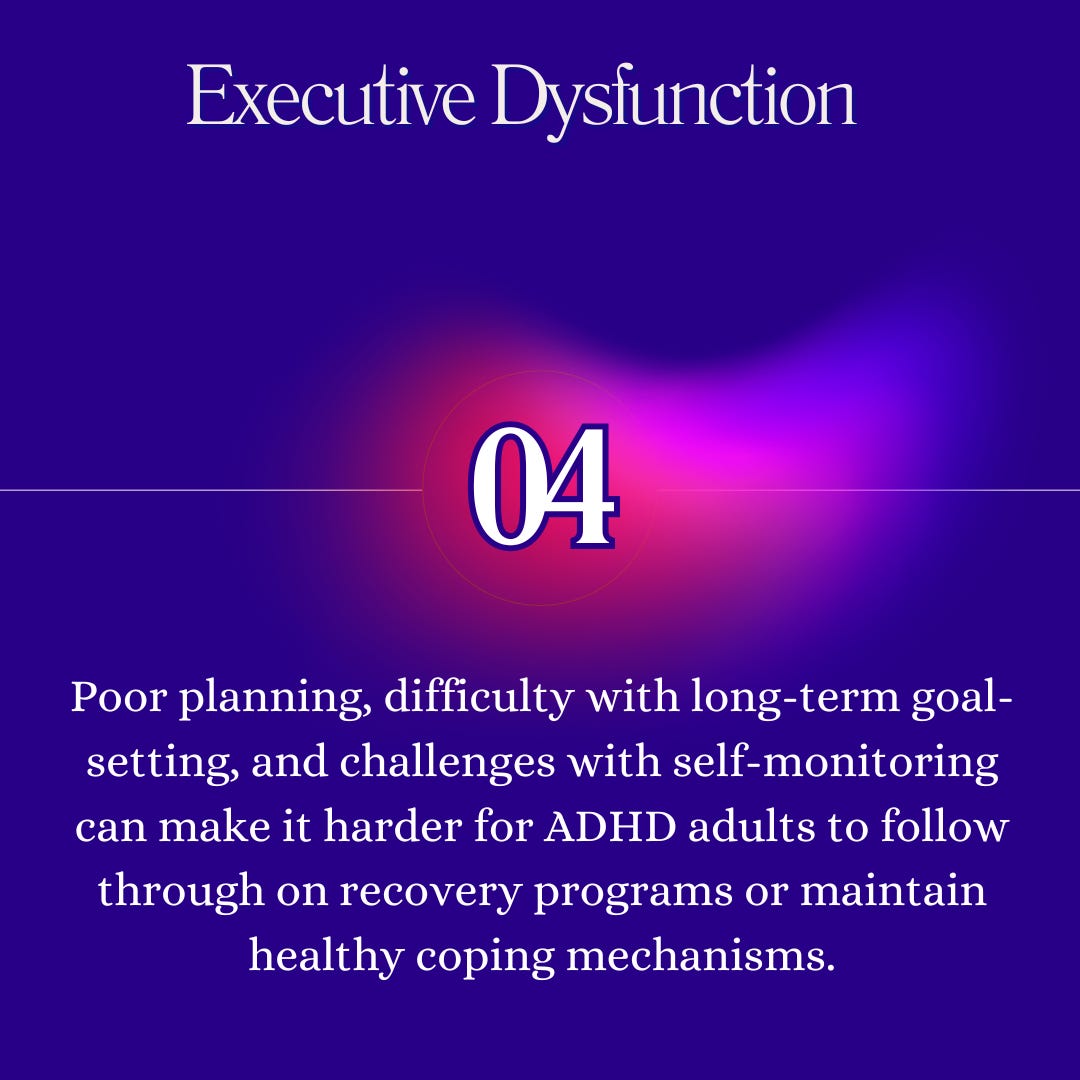
Living with ADHD (Attention-Deficit/Hyperactivity Disorder) can bring both strengths and challenges. While creativity, energy, and problem-solving abilities are often celebrated, the flip side can include impulsivity, emotional dysregulation, and difficulty managing long-term goals. Unfortunately, these challenges can also make individuals with ADHD more susceptible to addiction.
In this blog post, we’ll explore the connection between ADHD and addiction, the underlying neurological factors, and effective strategies for recovery and support.
The ADHD-Addiction Connection
Research has consistently shown a strong correlation between ADHD and substance use disorders (SUDs). Studies suggest that individuals with ADHD are two to three times more likely to develop an addiction compared to their neurotypical peers.
Why Does This Happen?
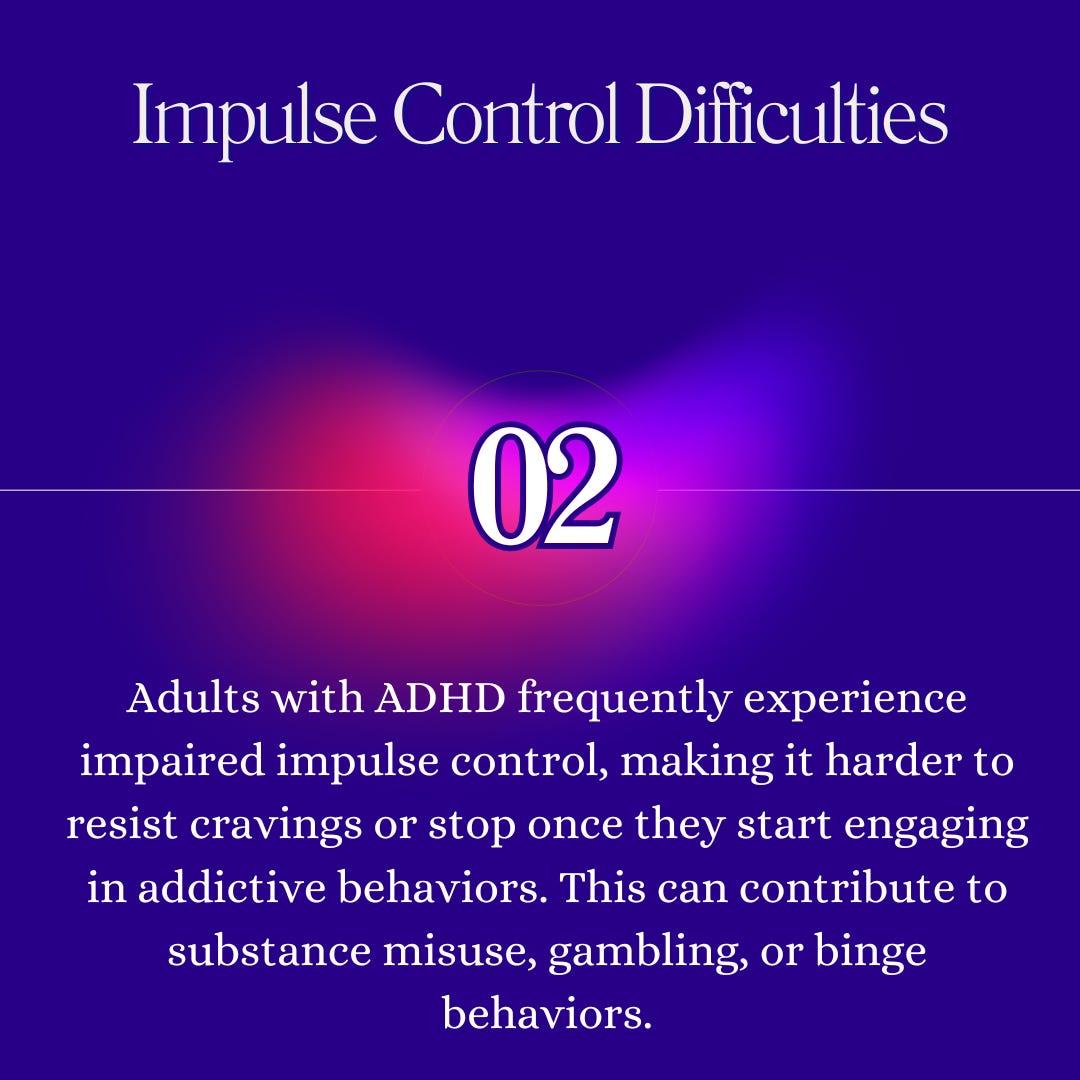
Impulsivity and Risk-Taking: ADHD is often associated with impulsive decision-making, which can lead to experimenting with substances without fully considering the consequences.
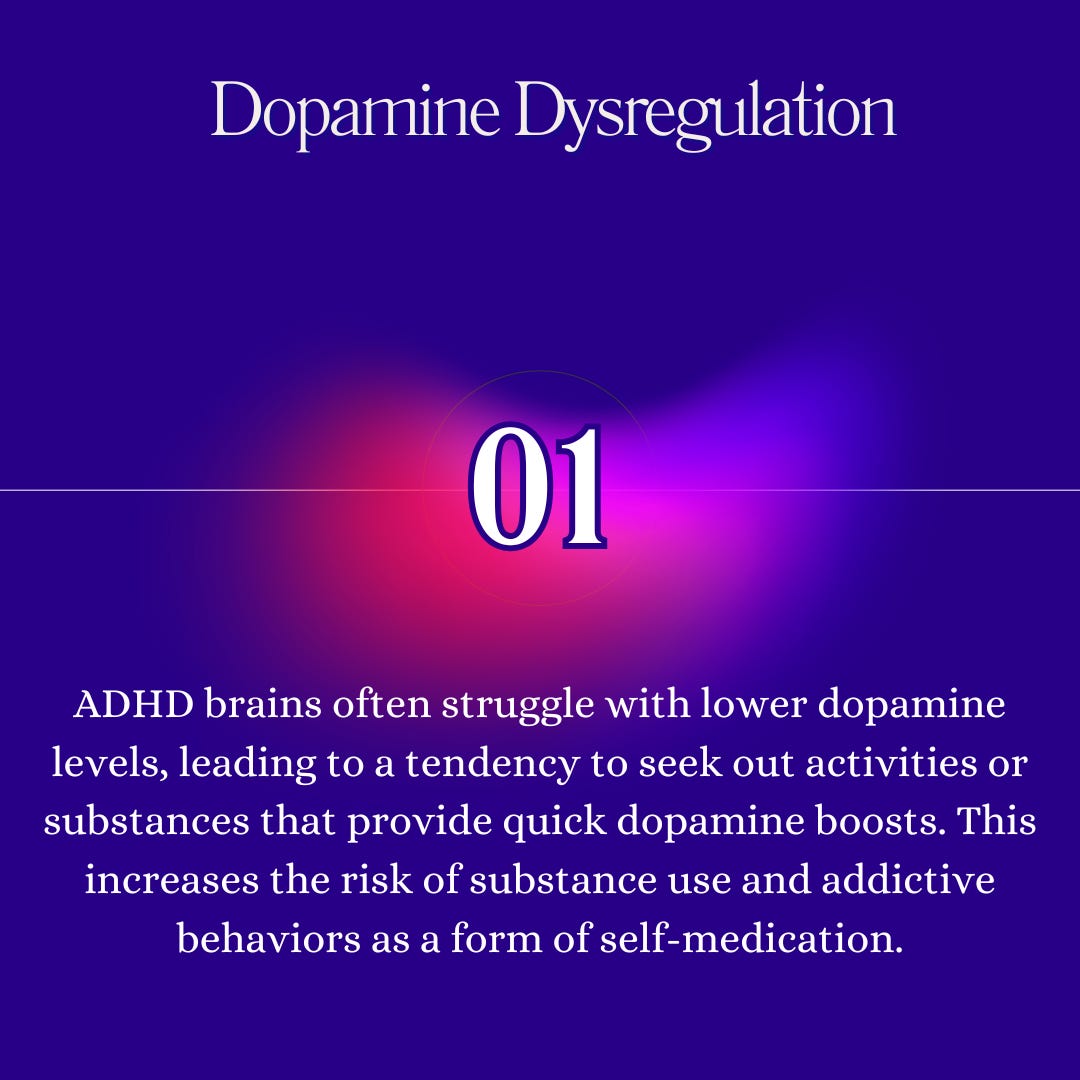
Dopamine Deficiency: ADHD brains tend to have lower levels of dopamine, the neurotransmitter responsible for pleasure and reward. Drugs, alcohol, and other addictive behaviors can artificially stimulate dopamine production, leading to temporary relief and reinforcement of use.
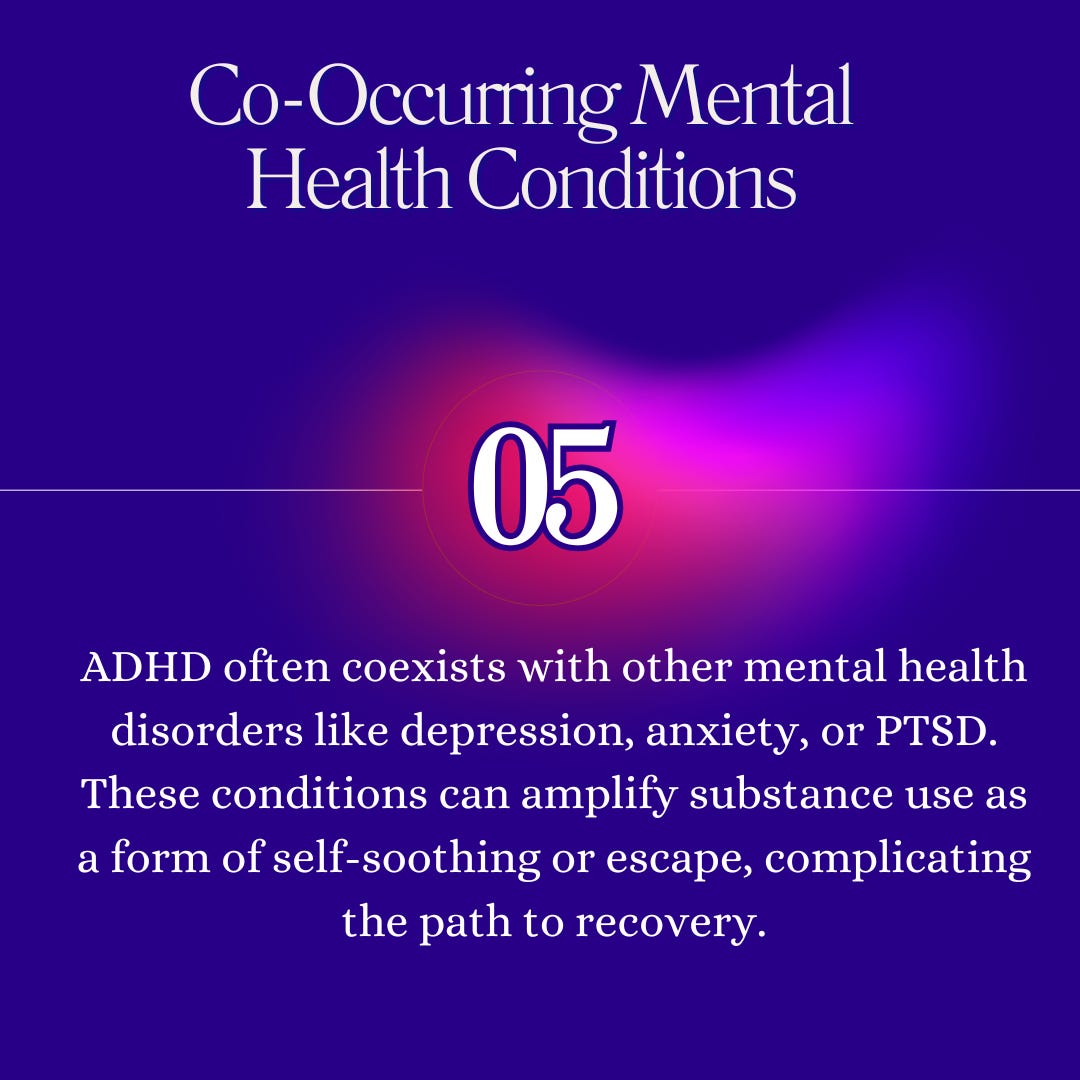
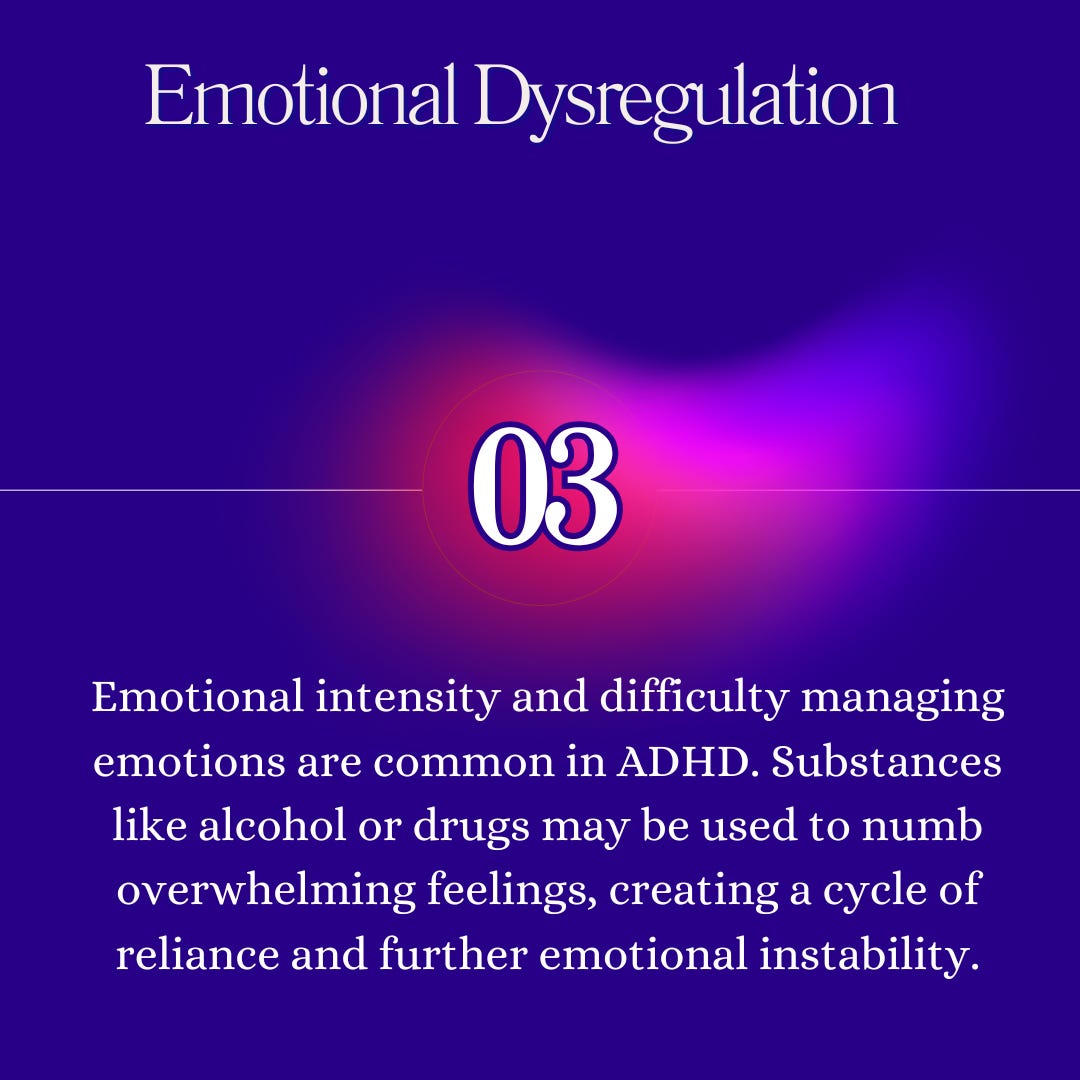
Emotional Dysregulation: Difficulty managing emotions can drive people with ADHD to seek relief through substance use as a form of self-medication.
Social Struggles and Low Self-Esteem: Repeated challenges in school, work, or relationships can lead to feelings of failure and shame. Substance use may provide temporary escape from these negative emotions.
Common Addictions Among People with ADHD
While addiction can take many forms, people with ADHD may be particularly vulnerable to:
Alcohol and Drug Use: Due to its immediate mood-altering effects.
Nicotine: As a stimulant, nicotine can temporarily improve focus and concentration.
Gambling and Gaming: Impulse-driven activities that provide instant gratification.
Internet and Social Media: Offers constant dopamine hits, often leading to compulsive use.
Food Addiction: Emotional eating and binge behaviors can be coping mechanisms for stress and boredom.
The Role of Self-Medication
Many adults with undiagnosed or untreated ADHD turn to substances to cope with their symptoms. For example, someone struggling with focus might misuse stimulants or rely on alcohol to relax and quiet their racing thoughts. This cycle of self-medication often masks the underlying ADHD, delaying diagnosis and proper treatment.
Pathways to Recovery
Recovery is possible with the right support, especially when both ADHD and addiction are addressed simultaneously. Here are some key approaches:
Comprehensive Assessment: Seeking a dual diagnosis evaluation from a mental health professional can help identify both ADHD and addiction concerns.
Medication Management: For some, ADHD medication can reduce impulsivity and improve emotional regulation, making it easier to resist addictive behaviors.
Therapy: Cognitive Behavioral Therapy (CBT) and Dialectical Behavior Therapy (DBT) can help individuals develop coping skills, manage triggers, and address negative thought patterns.
Support Groups: Programs like Alcoholics Anonymous (AA), Narcotics Anonymous (NA), or ADHD-specific support groups provide community and accountability.
Lifestyle Adjustments: Prioritizing regular exercise, maintaining a balanced diet, and practicing mindfulness can improve overall well-being and reduce cravings.
Conclusion
The intersection of ADHD and addiction is a complex and challenging experience, but understanding the underlying factors can empower individuals to seek the right support. With comprehensive care, people with ADHD can break free from addiction and build fulfilling, resilient lives.
If you or someone you know is struggling with ADHD and addiction, reaching out to a mental health professional is a crucial first step. Recovery is not only possible—it’s within reach.