Navigating Energy Management with Neurodiversity
Embracing the EBB and FLOW

Introduction: Dancing with Energy
Navigating the daily rhythms of life can be akin to a complex dance. For neurodiverse adults, managing energy levels adds an extra layer of challenge to this intricate choreography. Whether you're juggling the demands of work, family, or personal goals, understanding energy management is crucial for maintaining balance and well-being.
Why It's Hard: The Neurodiverse Perspective
Neurodiverse individuals often experience unique energy patterns influenced by conditions like ADHD and autism. The neurodivergent brain processes stimuli differently, impacting how energy is expended and restored throughout the day. Tasks that require sustained focus or social interaction can quickly drain energy reserves, leading to fatigue and burnout.
Additionally, emotional regulation can significantly affect energy. Neurodiverse adults often navigate heightened emotional responses, further draining their resources. The effort it takes to manage internal and external stimuli may leave little room for other tasks, contributing to the all-too-common crash and even burnout which can lead to even more dangerous implications. I ended up in an inpatient wing due to burnout, plus a few other things… but burnout it serious. We do not treat it as serious as it is.
The Negative Impact of Burnout on ADHD
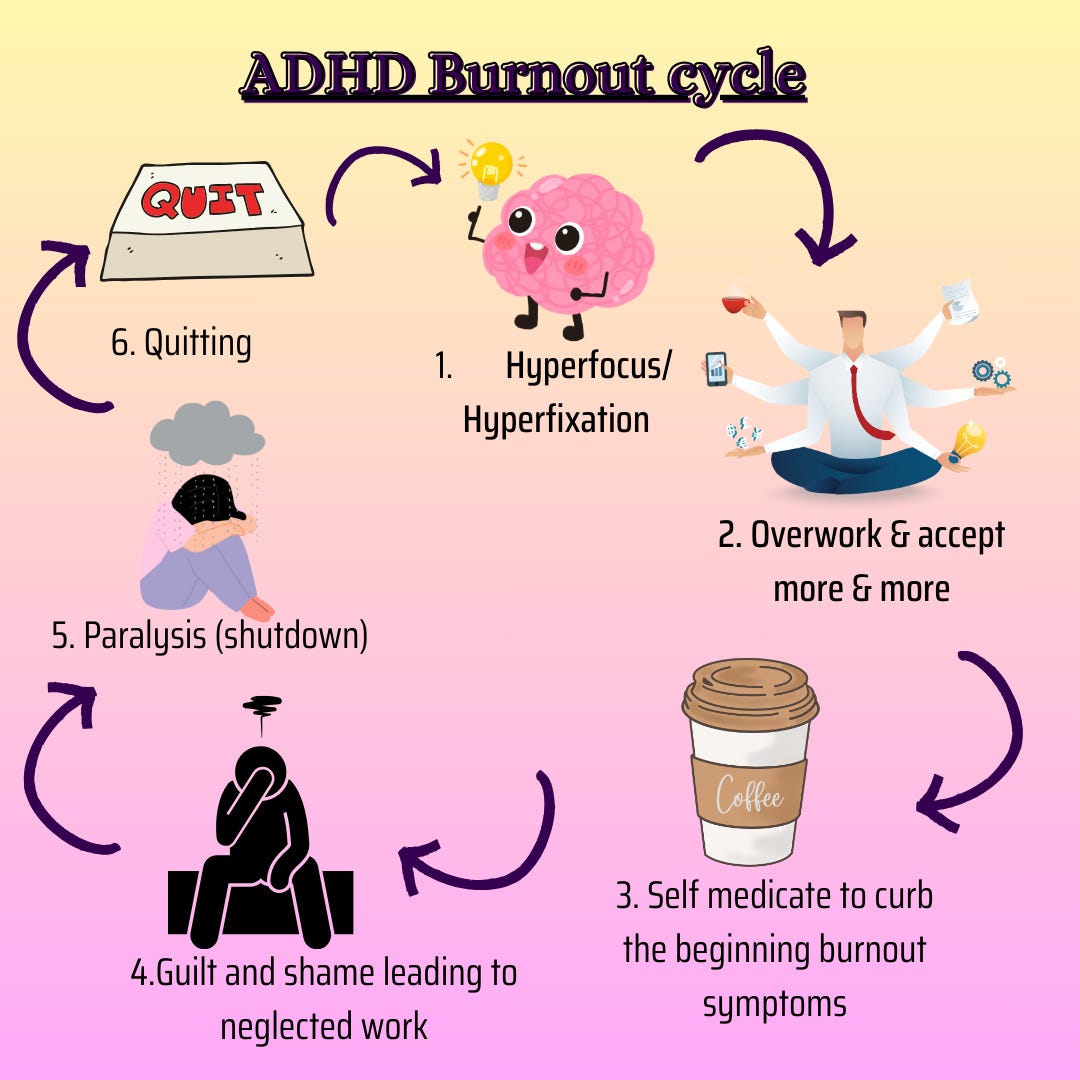
Burnout is a state of emotional, physical, and mental exhaustion caused by prolonged stress. For adults with ADHD, burnout can have particularly detrimental effects due to their difficulties with energy regulation and executive functioning. ADHD burnout often stems from pushing through tasks without sufficient rest, masking symptoms to meet external expectations, or trying to maintain a level of productivity that feels unsustainable.
When burnout sets in, common symptoms include:
Increased Executive Dysfunction: Tasks that were already challenging become nearly impossible. Decision-making, planning, and prioritizing suffer significantly.
Emotional Dysregulation: Emotional responses become more intense and harder to manage. Irritability, frustration, and feelings of hopelessness may increase.
Chronic Fatigue: ADHDers may experience physical and mental exhaustion, making it difficult to engage in both work and enjoyable activities.
Loss of Interest and Motivation: Activities that once brought joy or fulfillment may feel overwhelming, leading to avoidance and disengagement.
Negative Self-Talk: Persistent thoughts of failure or inadequacy can amplify the inner critic, further reducing self-confidence and resilience.
Recognizing the early signs of burnout and taking proactive steps to address it can prevent long-term consequences. Implementing regular rest, setting boundaries, and practicing self-compassion are essential strategies for avoiding burnout.
The Science Behind It: Unpacking Energy Dynamics
Research reveals fascinating insights into energy management for neurodiverse individuals. Neurological differences affect neurotransmitter levels and energy regulation systems in the brain, influencing attention span, emotional regulation, and energy expenditure. Dopamine, for instance, plays a crucial role in motivation and focus, affecting how neurodiverse individuals engage with tasks requiring sustained effort.
Dr. Tamara Rosier, in her book You, Me, and Our ADHD Family, introduces the concept of the Window of Tolerance to explain how neurodiverse brains manage emotional and energetic states. This concept, originally from trauma therapy, is highly applicable to understanding the fluctuations in focus, motivation, and overwhelm that many neurodivergent people experience.
Understanding the Window of Tolerance
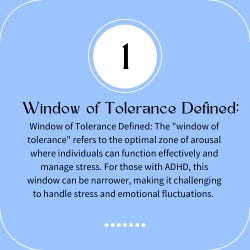
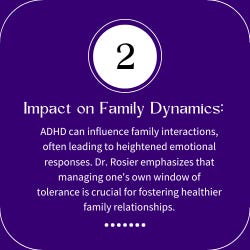
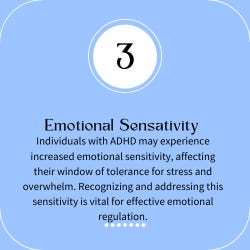
The Window of Tolerance represents the optimal state where an individual can manage stress, regulate emotions, and engage effectively in tasks.
I have a whole podcast about it and you can listen here.
Neurodiverse adults may have a narrower window due to challenges with emotional regulation and executive functioning. When energy is low or demands exceed coping capacity, they may shift outside this window, leading to two states:
Hyperarousal: Characterized by heightened anxiety, emotional reactivity, and restlessness. Thoughts race, tasks feel overwhelming, and decision-making becomes difficult.
Hypoarousal: Marked by fatigue, disconnection, or emotional numbness. Even simple tasks may feel impossible, and motivation plummets.
Recognizing when you're slipping out of your Window of Tolerance is key to effective energy management. Listen to the podcast for more about the window of tolerance.
Coping Strategies: Nurturing Resilience
Despite the challenges, there are effective strategies to enhance energy management:
1. Identify and Expand Your Window of Tolerance
Track your energy and emotional states throughout the day using a journal or app.
Recognize triggers that push you into hyperarousal or hypoarousal.
Practice grounding techniques such as deep breathing, sensory stimulation (like holding an ice cube), or using a weighted blanket to return to a regulated state.
2. Structured Routine
Establishing a predictable daily routine helps conserve energy by reducing decision fatigue and promoting a sense of stability. Neurodiverse individuals often thrive when they know what to expect.
Block out time for high-energy tasks when you're most alert.
Schedule restful activities like mindfulness, walks, or creative play.
3. Mindful Breaks
Incorporating short, mindful breaks throughout the day allows for mental recharge. Activities like deep breathing, stretching, or taking a brief walk can replenish cognitive resources.
Try the "5-5-5" method: five minutes of movement, five minutes of stillness, and five deep breaths.
4. Task Chunking
Breaking tasks into smaller, manageable chunks helps maintain focus and prevents overwhelm, promoting steady progress without draining energy reserves.
Use timers like the Pomodoro technique (25-minute focus, 5-minute break).
5. Environment Optimization
Creating an environment conducive to concentration and relaxation minimizes distractions and supports productivity. Consider noise-canceling headphones, ergonomic furniture, or designated quiet spaces.
Adjust lighting and reduce clutter to reduce sensory overload.
6. Sleep Hygiene
Prioritizing quality sleep is crucial for energy restoration. Establishing a calming bedtime routine and maintaining consistent sleep patterns contribute to overall well-being.
Avoid screens before bed and engage in relaxing activities like reading or meditation.
I share all types of challenges and tips almost daily on my Instagram, youtube, and TikTok.
Real-Life Examples: Stories of Resilience
Ella's Story: Ella, a freelance writer with ADHD, manages her energy by setting clear work boundaries. She blocks out distraction-free periods for writing and incorporates regular breaks to stay refreshed and focused. Recognizing when she is edging toward hyperarousal, she uses breathing exercises and grounding techniques to return to her Window of Tolerance.
Mark's Journey: Mark, an autism advocate, thrives on a structured routine. By planning his day meticulously and incorporating sensory breaks, he navigates his energy fluctuations with resilience and positivity. When he feels himself slipping into hypoarousal, Mark engages in stimulating activities like listening to upbeat music or taking a brisk walk.
Conclusion: Embracing Your Energy
Navigating energy management as a neurodiverse adult is a journey of self-discovery and adaptation. By understanding your unique energy patterns, embracing effective coping strategies, and fostering resilience, you can cultivate a fulfilling and balanced life.
And remember, it's not about perfecting the dance but learning to move with grace and authenticity, honoring your neurodiverse journey every step of the way. With tools like the Window of Tolerance and a deeper understanding of your energy landscape, you can create a rhythm that works for you.
So, take a deep breath, listen to your body, and dance to your own beat. Your energy is precious, and learning how to manage it is an act of radical self-care.
This may sound IMPOSSIBLE but I promise its worth it if you can make it work FOR you instead of making it MORE work for you.